Learn More About This Issue
Background information for residents who want the full picture, presented as clearly and directly as possible.
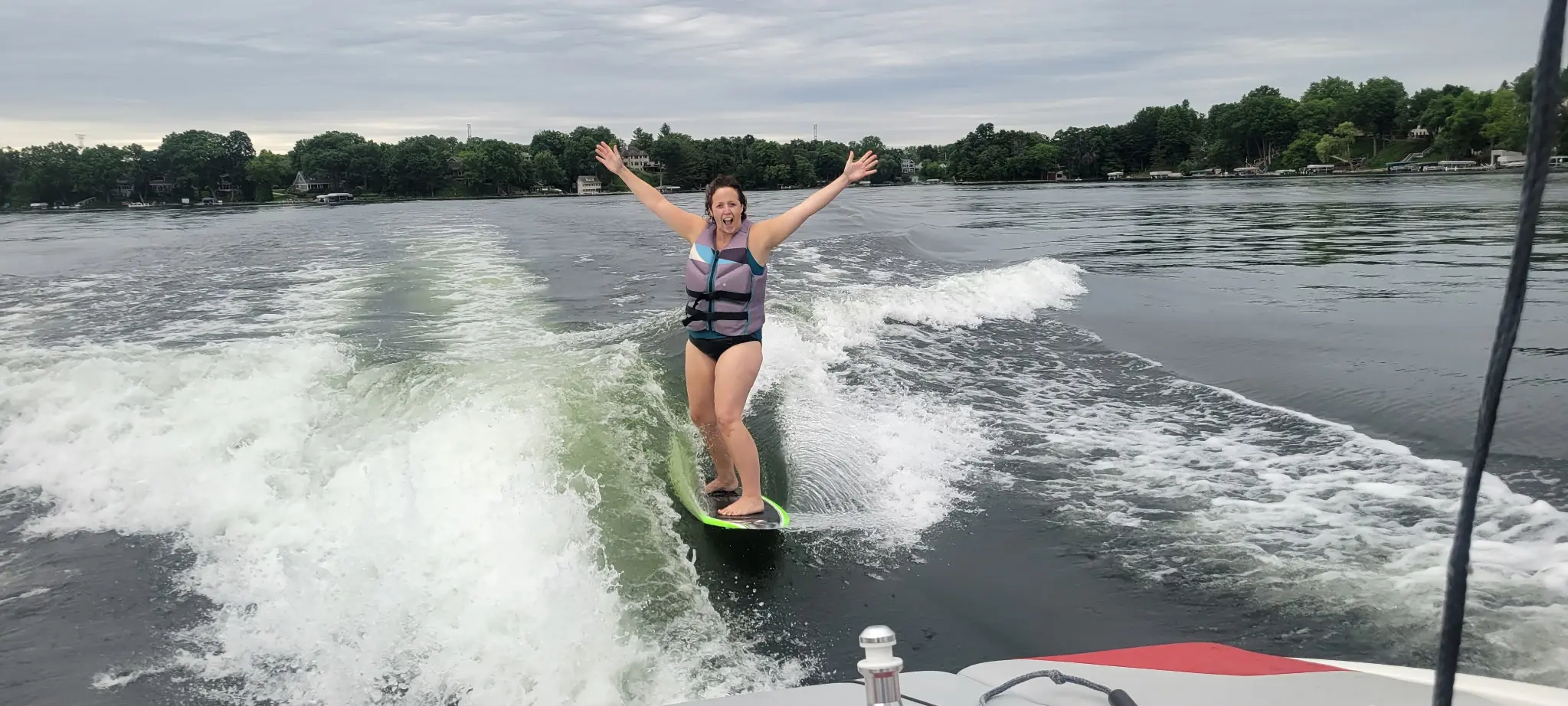
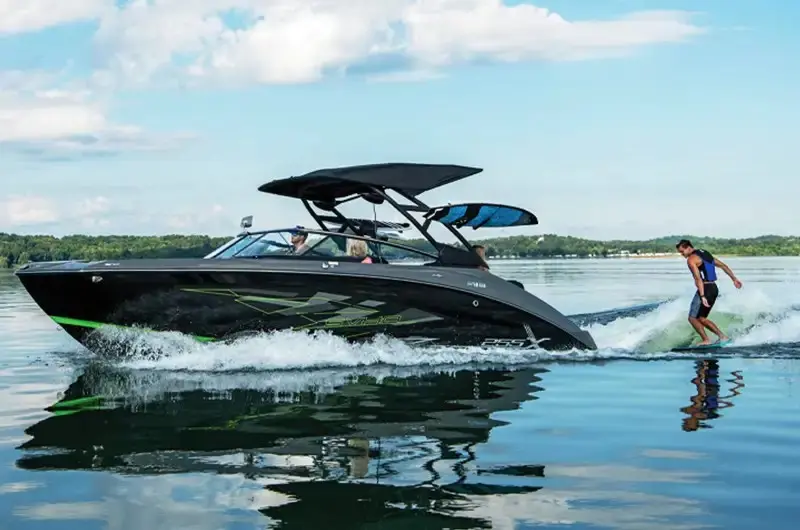
Wake enhancement, often called wake surfing, is a towed water sport where a rider follows the wave created by a specially equipped boat at low speed. The rider can eventually surf the wave without holding the rope.
The proposed ordinance would single out wake enhancement for a ban on Lake Keesus and Moose Lake, even though voluntary operating guidelines are already in place.
In 2024, families who enjoy wake surfing created voluntary guidelines. They agreed to stay at least 200 feet from shore, aim for 300 feet where possible, and operate only in water at least 20 feet deep.
Those self-imposed rules were a first step, and the Coalition has committed to further compromise. A Town ordinance could end that conversation before it has a chance to work.
Shoreline impact is one of the most frequently cited environmental concerns. Multiple studies and opinions exist, and residents deserve to see the issue presented in context.
Rather than ask you to accept one interpretation, we encourage you to watch side-by-side comparisons from lake communities and draw your own conclusions.
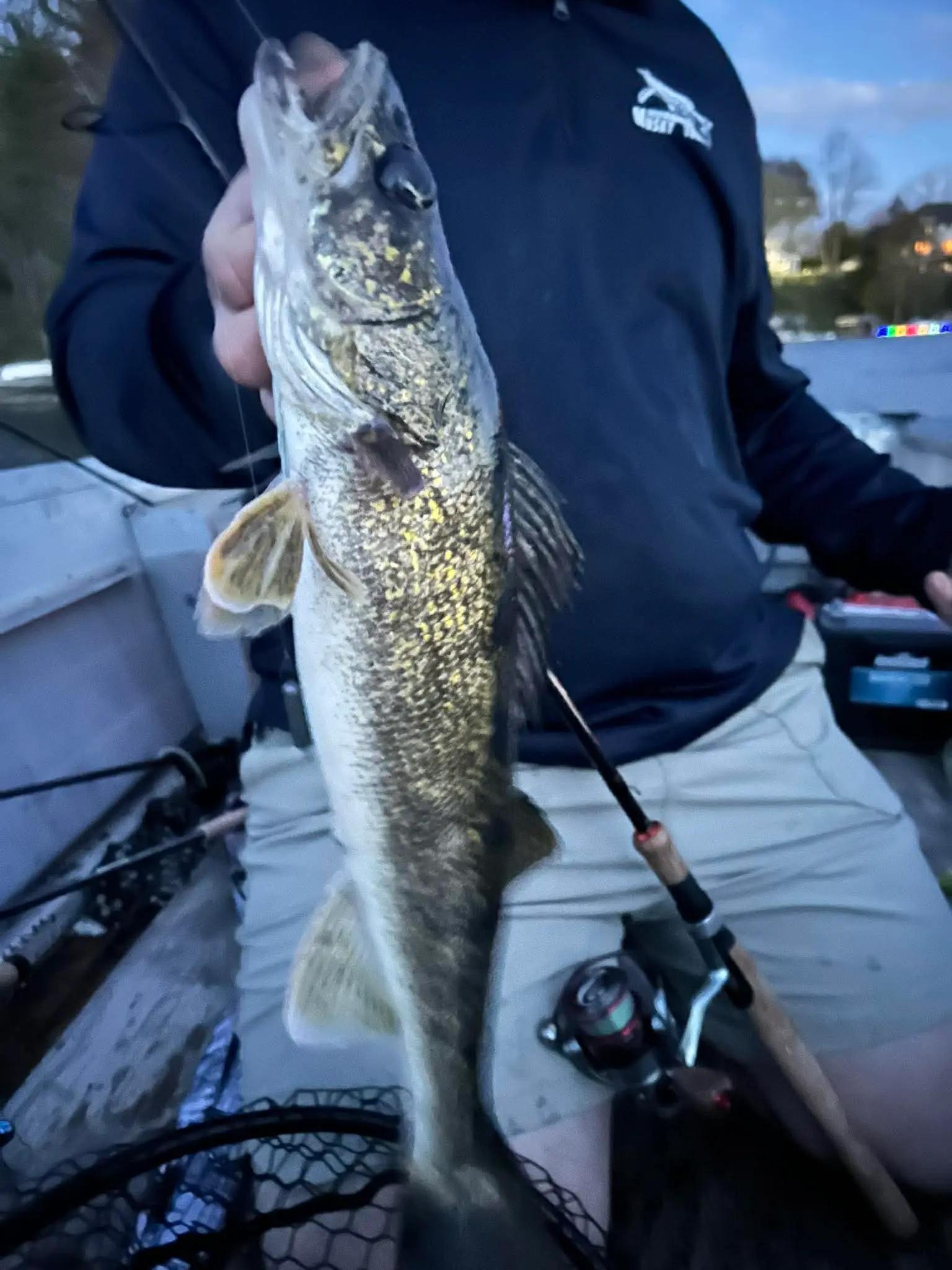
One argument for a ban is that the fish population is in danger. Local experience deserves to be part of that discussion.
Wake surfing has occurred on Lake Keesus for more than 10 years. If the activity were causing immediate, severe harm to the fishery, residents should be asking for clear evidence.
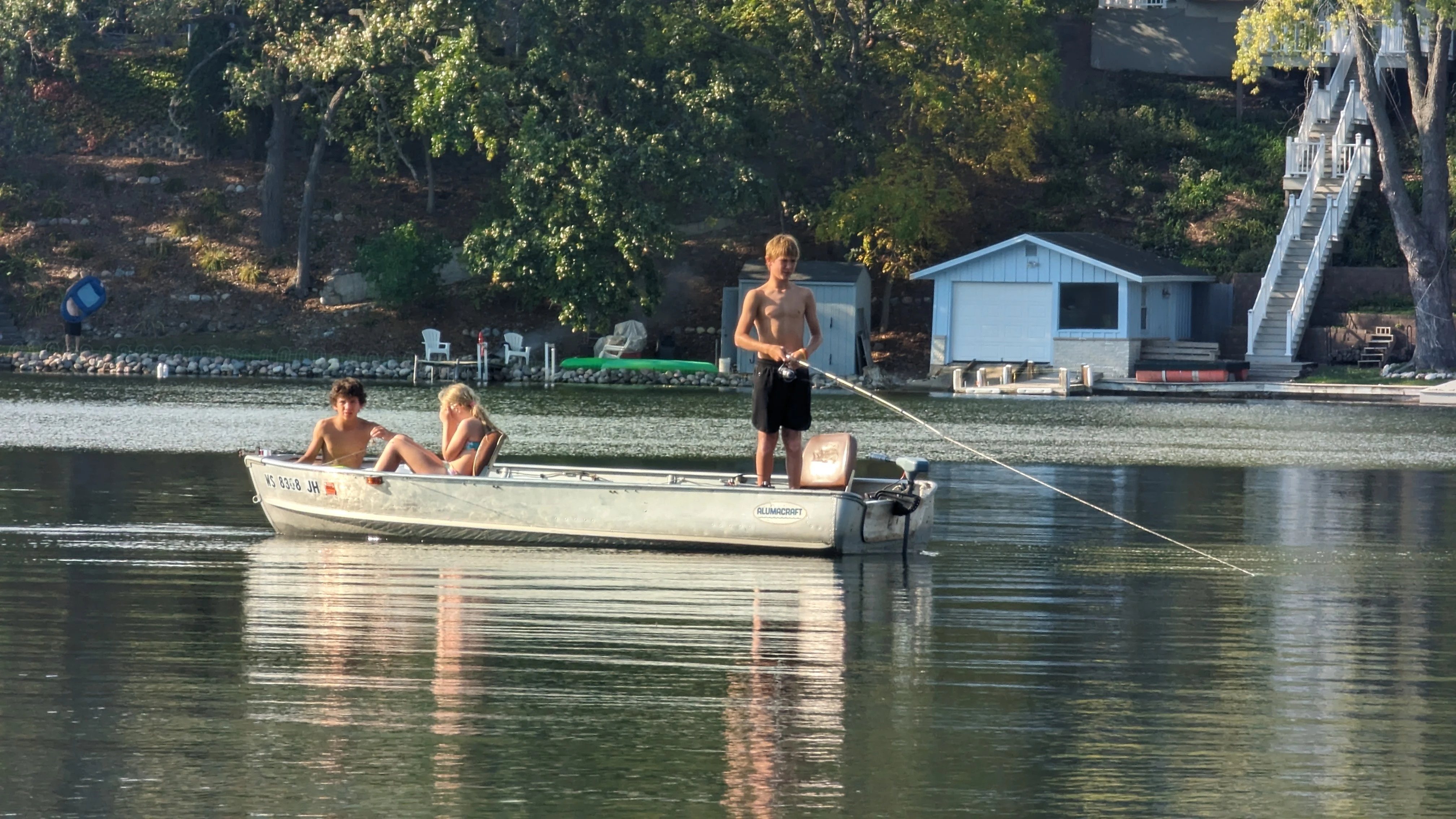
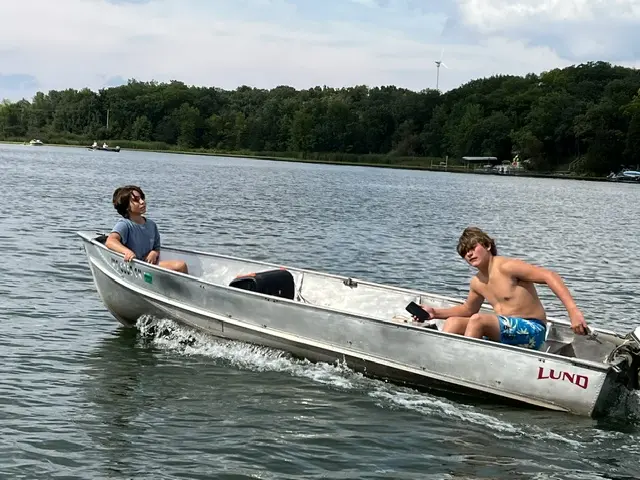
A local fisherman shared these examples from Lake Keesus as community context for that claim.
One of the most emotionally charged arguments in this debate is that surf boats ride with a slightly raised bow, making them unable to see forward and dangerous to others on the water.
That sounds alarming, which is why it gets repeated so often. But the available safety record does not support treating wake surfing as the major risk on Wisconsin lakes.
All boating activities carry some level of risk, just like driving, swimming, skiing, or tubing. If safety is truly the concern, the incident data does not support making wake surfing the primary target.